

Get your daily news on science and technology
Provided by AGP
India’s Tiger State: Madhya Pradesh Strengthens Its Position in Wildlife Tourism
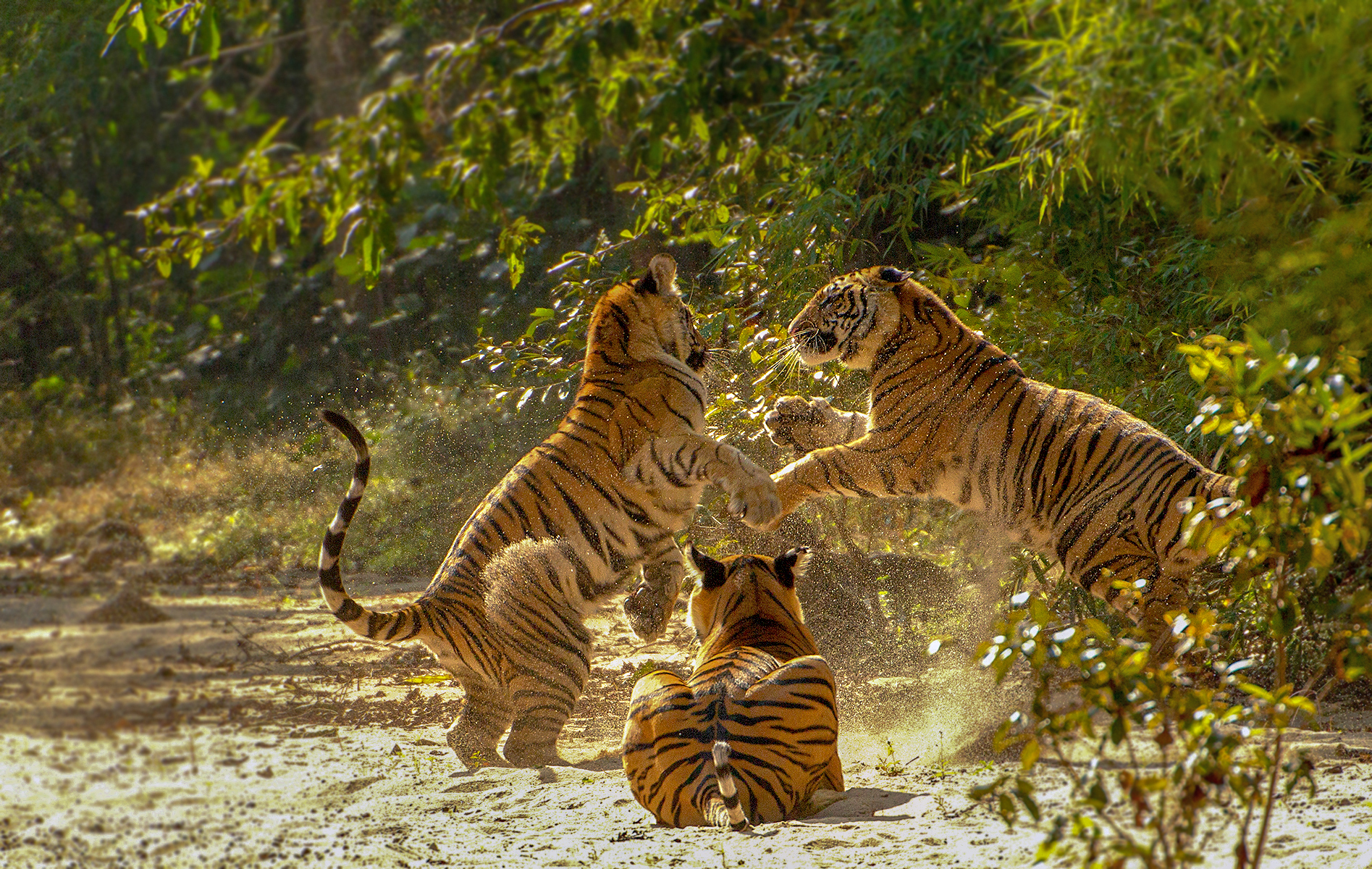
Bandhavgarh National Park known for Royal Bengal Tigers
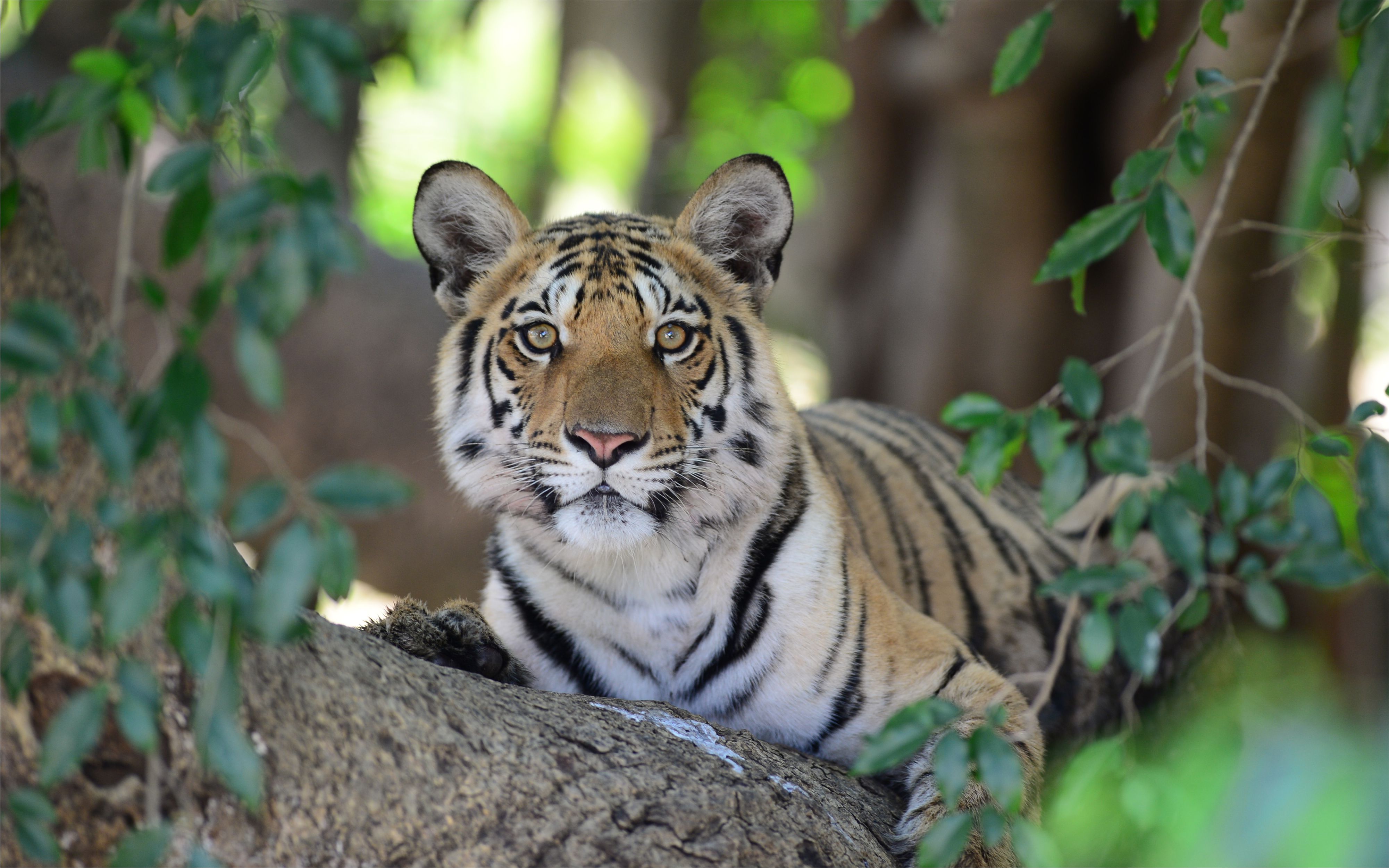
Panna National Park
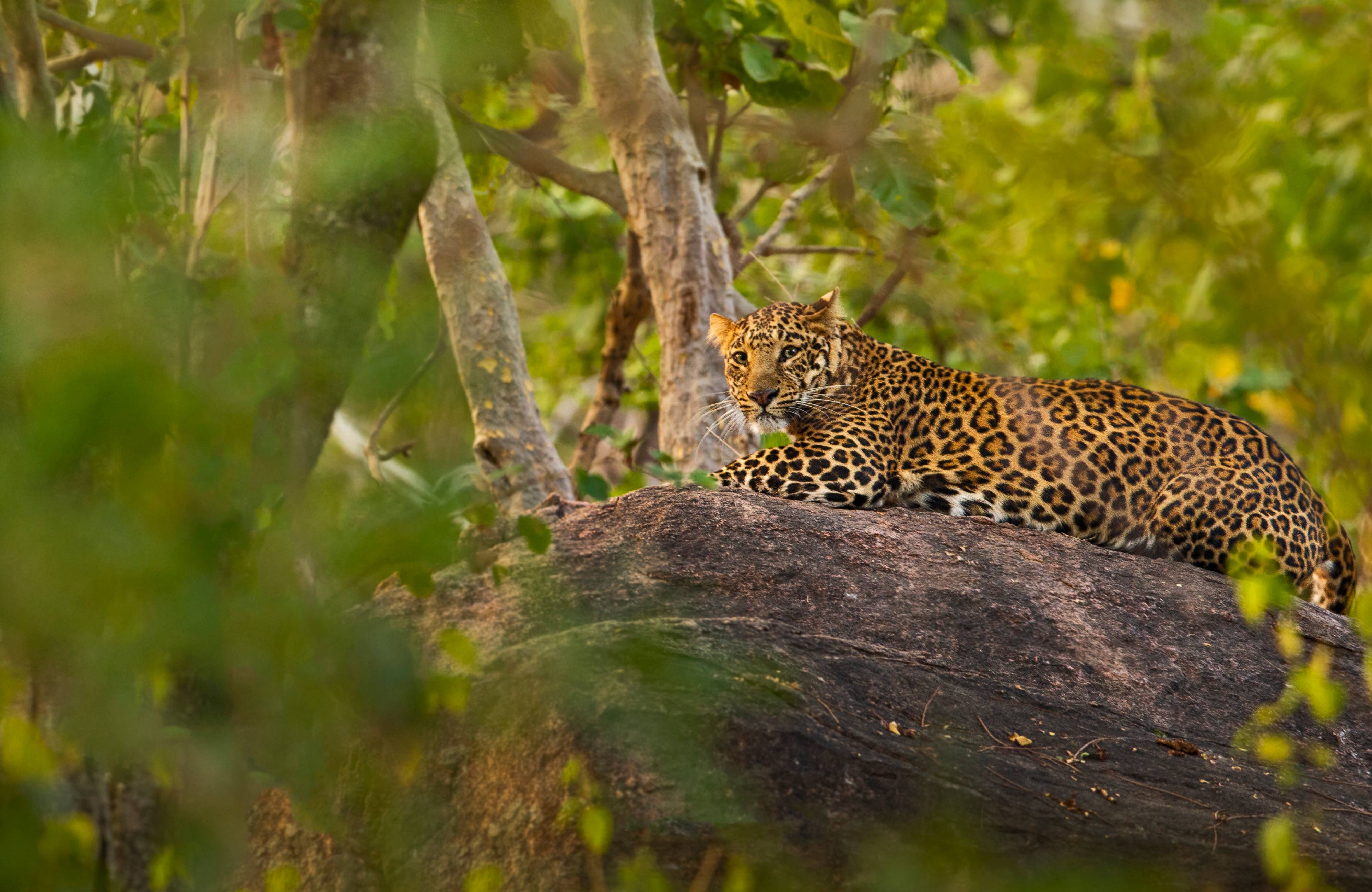
Leopard - Pench National Park
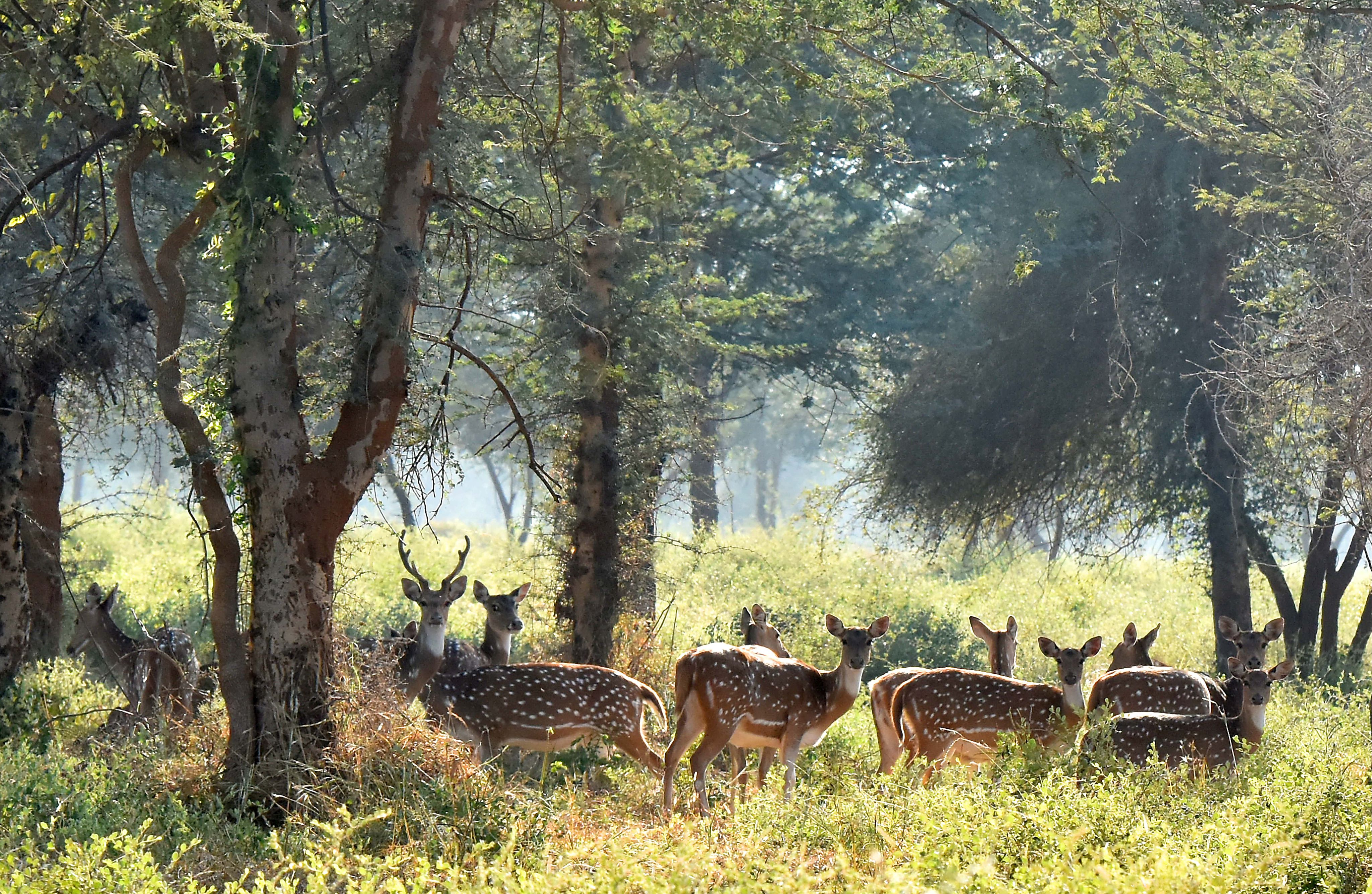
Chinkara also known as Spotted Deer at Kuno National Park

Sloth Bear family, Satpura National Park
Home to 785 wild tigers across nine reserves, Madhya Pradesh offers one of the world’s most diverse and immersive safari landscapes.
BHOPAL, MADHYA PRADESH, INDIA, May 18, 2026 /EINPresswire.com/ -- Madhya Pradesh, the geographical heart of India, has firmly reinforced its status as the country’s leading tiger state. According to the 2022 All India Tiger Estimation — India’s most comprehensive wildlife census — the state is home to 785 wild tigers out of the nation’s total population of 3,682, the highest recorded by any Indian state, ahead of Karnataka and Uttarakhand. Equally significant is the pace of recovery: Madhya Pradesh recorded a remarkable 49 per cent increase in tiger numbers between 2018 and 2022, nearly double the national growth rate of 24 per cent. Spread across nine tiger reserves and some of central India’s richest forest ecosystems, this thriving population represents not only a major conservation achievement, but also the foundation of one of the world’s most compelling wildlife tourism experiences.What distinguishes Madhya Pradesh is not merely the scale of its tiger population, but the extraordinary diversity of landscapes in which these animals can be experienced. Each of the state’s tiger reserves — Kanha, Bandhavgarh, Pench, Satpura, Panna, Sanjay-Dubri, Ratapani, Veerangana Durgavati, and the newly designated Madhav Tiger Reserve — possesses a unique ecological character, terrain, and cultural narrative, offering travelers a distinctly different safari experience at every destination.
Kanha Tiger Reserve, widely regarded as the crown jewel of Madhya Pradesh’s wilderness, stretches across more than 2,000 square kilometers in the Mandla and Balaghat districts. Its sweeping sal forests, rolling meadows, bamboo thickets, and thriving population of the endangered hard-ground barasingha have made it one of India’s most celebrated conservation landscapes. The reserve famously inspired Rudyard Kipling’s The Jungle Book, and continues to embody the classic Indian safari experience sought by wildlife enthusiasts from around the world.
Bandhavgarh Tiger Reserve, located in Umaria district, is renowned for having one of the highest tiger densities anywhere on earth. Rising dramatically above the forest is the ancient Bandhavgarh Fort, believed to be over two thousand years old, lending the reserve a rare combination of wilderness, mythology, and history. With 135 tigers recorded in the latest estimation, Bandhavgarh remains one of India’s most iconic and photographed tiger landscapes.
Further south, Pench Tiger Reserve — spread across the Madhya Pradesh–Maharashtra border — is celebrated for its picturesque teak forests, riverine habitats, and exceptional birdlife, with more than 285-recorded species. Pench is particularly popular among naturalists and birdwatchers for its rich biodiversity and tranquil forest setting.
Panna Tiger Reserve presents perhaps the most extraordinary conservation story in modern India. After losing its entire tiger population to poaching by 2009, the reserve underwent an ambitious reintroduction program that has since become an internationally recognized model for wildlife recovery. Today, Panna supports a thriving tiger population once again, underscoring the resilience of both nature and conservation science. Its location just 25 kilometers from the UNESCO World Heritage temples of Khajuraho gives it a distinction unmatched elsewhere in India — allowing travelers to combine a tiger safari and a world-renowned cultural heritage experience within a single day.
Madhya Pradesh continues to expand and strengthen its wildlife network. In March 2025, Madhav Tiger Reserve near Shivpuri was officially declared the state’s ninth tiger reserve and India’s 58th overall. Once known as a royal hunting landscape, Madhav now represents another major conservation success through tiger reintroduction. The reserve reflects the state’s long-term commitment to restoring ecological balance and creating interconnected wildlife corridors that support genetic diversity and the healthy movement of species across landscapes.
Beyond the tiger, Madhya Pradesh supports an extraordinary range of wildlife. The state also recorded India’s highest leopard population in the 2022 census, with 3,907 individuals documented across its forests. Sloth bears, gaur, striped hyenas, wild dogs, sambar, chital, and numerous smaller carnivores thrive within these ecosystems, while rivers such as the Ken and Denwa support gharials, mugger crocodiles, smooth-coated otters, and vibrant wetland birdlife.
The state is also at the center of one of India’s most closely followed conservation initiatives — the reintroduction of the cheetah at Kuno National Park. Extinct in India since the mid-20th century, cheetahs have now returned to the country through an ambitious translocation program, with continued releases and monitoring strengthening Kuno’s emergence as a future global conservation model. Gandhi Sagar Wildlife Sanctuary is similarly being developed as a second habitat for the species, further underlining Madhya Pradesh’s leadership in large-scale wildlife restoration.
Accessibility to Madhya Pradesh’s wildlife circuit has improved significantly in recent years. International travelers can conveniently connect through Delhi or Mumbai to airports in Bhopal, Jabalpur, and Khajuraho, while the state’s PM Shri Heli Paryatan Sewa now links major wildlife and heritage destinations such as Kanha, Bandhavgarh, Panna, and Khajuraho by helicopter, enabling seamless multi-reserve itineraries.
From dense sal forests and open grasslands to river valleys and ancient hill forts, Madhya Pradesh offers a safari experience unmatched in scale, variety, and authenticity. For travelers seeking not merely sightings, but a deeper encounter with India’s wild heart, the state stands today as one of the most significant wildlife destinations anywhere in the world.
ZM
Madhya Pradesh Tourism Board
email us here
Visit us on social media:
LinkedIn
Instagram
Facebook
YouTube
X
Wildlife in Madhya Pradesh
Legal Disclaimer:
EIN Presswire provides this news content "as is" without warranty of any kind. We do not accept any responsibility or liability for the accuracy, content, images, videos, licenses, completeness, legality, or reliability of the information contained in this article. If you have any complaints or copyright issues related to this article, kindly contact the author above.
